
Postgraduate Diploma (PGD)
In Applied Research & Data Analytics

- Duration: 6 Months
- Classes: Weekend / Evening / Hybrid
- Total Units: 24 Credits
- Duration: 15 Weeks + 4–6 Weeks Dissertation & Viva
- Time: 7:30 PM to 9:30 PM, Friday & Saturday
Background & Rationale
Datascape Research and Consultancy Limited, a leading research organization in Bangladesh with extensive experience in social research, monitoring and evaluation, and data analytics, offers a Postgraduate Diploma (PGD) in Applied Research & Data Analytics under its academic wing, Datascape Academy.
Our Postgraduate Diploma (PGD) in Applied Research & Data Analytics is designed to equip professionals with the methodological rigor and analytical competence required for the development, corporate, and policy sectors. The curriculum offers a balanced blend of quantitative and qualitative research methods, covering everything from research design and ethics to advanced statistical modeling and field operations.
Through hands-on lab sessions, students master industry-standard tools—including SPSS, STATA, R, NVivo, and Power BI—to manage and visualize complex data. By completing a full-cycle Dissertation, participants gain the practical experience needed to conduct independent, high-impact research, ensuring they graduate ready for roles such as Research Officer, Data Analyst.
Course Details
Why This Program?
- Delivered by experienced research professionals and industry practitioners.
- Strong focus on applied and field-based research.
- Hands-on software training in industry-standard tools.
- Exposure to live research projects and case studies.
- Emphasis on employability and professional skills development.
Program Objectives
- Develop competency in research design and methodology.
- Strengthen statistical and analytical skills.
- Train students in professional research software.
- Ensure strong understanding of research ethics and governance.
- Provide practical experience in research project management.
- Enable students to conduct independent full-cycle research.
Semester Structure
- Foundations of Research & Research Design
- Quantitative Research Methods & Statistics (including impact evaluation basics)
- Qualitative Research Methods
- Academic Writing, Literature Review & Research Ethics
- Applied Data Analysis & Research Software Lab (SPSS/STATA/R, Excel, NVivo, Power BI/Tableau)
- Advanced Data Analysis & Research Applications (regression, multivariate basics, panel data introduction)
- Research Project Management & Field Operations
- Dissertation / Research Project (8,000–12,000 words with viva voce)
Foundation & Research Design (12 Credits)
• Research paradigms (Positivism, Interpretivism, Mixed Methods)
• Types of research (Exploratory, Descriptive, Explanatory, Experimental)
• Problem identification and formulation
• Conceptual framework development
• Research questions and hypotheses
• Proposal preparation
• Sampling techniques
• Questionnaire design
• Measurement scales
• Descriptive statistics
• Probability concepts
• Correlation and regression
• Hypothesis testing (t-test, Chi-square, ANOVA)
• Introduction to impact evaluation designs (RCT, quasi-experimental)
• In-depth interviews
• Focus Group Discussions (FGD)
• Case study research
• Observation methods
• Thematic and content analysis
• Coding techniques
• Trustworthiness and validity
• Introduction to grounded theory and narrative research
• Systematic literature review
• Academic databases usage
• APA 7th Edition referencing
• Plagiarism prevention
• Informed consent procedures
• Ethical approval processes
• Data protection principles
• Introduction to research grant writing
Applied Analysis & Dissertation (12 Credits)
Hands-on lab-based training:
• SPSS/STATA/R (Basic to Intermediate)
• Advanced Excel for research
• Data cleaning and transformation
• NVivo / Atlas.ti (Introduction)
• Data visualization fundamentals
• Introduction to Power BI or Tableau
• Output interpretation and reporting
• Multiple regression
• Logistic regression (basic)
• Non-parametric tests
• Introduction to multivariate techniques
• Factor analysis (basic)
• Reliability testing (Cronbach’s Alpha)
• Introduction to panel data analysis
• Field team management
• Enumerator recruitment and training
• Field monitoring and supervision
• Data quality assurance
• Verification and back-checking procedures
• Monitoring & Evaluation (M&E) systems
• Research budgeting and timeline management
• Risk management in field research
Students must:
• Develop and defend a research proposal
• Obtain ethical clearance (if applicable)
• Collect primary or secondary data
• Conduct data analysis
• Submit an 8,000–12,000-word dissertation
• Present findings in viva voce examination
Additional Details
Teaching & Learning Methodology
• Interactive lectures and discussions
• Case-based learning
• Hands-on lab sessions
• Field simulation exercises
• Proposal development workshops
• Guest lectures from industry experts
Assessment Structure
Course Assessment For each course one mid-term examinations and a final examination will be held. Total marks for each course are 100. The marks distributions are as follows:
Component | Weight |
Assignments | 20% |
Midterm Examination | 15% |
Practical Lab | 10% |
Proposal Defense | 10% |
Final Examination | 10% |
Dissertation | 20% |
Viva Voce | 10% |
Total | 100% |
Grading System
Score | Letter Grade | Grade Point |
80 or above | A+ (Plus) | 4.00 |
75–79 | A | 3.75 |
70–74 | A- | 3.50 |
65–69 | B+ | 3.25 |
60–64 | B | 3.00 |
55–59 | B- | 2.75 |
50–54 | C | 2.50 |
Below 50 | F | 0.00 |
Academic Regulations
• No data collection without approved proposal.
• Mandatory ethical clearance for human subject research.
• Maximum 15–20% plagiarism similarity (excluding references).
• Minimum 4–6 formal supervision meetings required.
Career Prospects
• Research Officer
• Monitoring & Evaluation Officer
• Data Analyst
• Field Research Manager
• Research Consultant
• Policy Analyst
• Positions in NGOs, corporate research firms, government and international organizations
Governance & Quality Assurance
Certification
Program Fees
Particulars | Amount (in BDT) |
Admission Fee | Tk. 5,000 |
Course Fee | Tk. 24,000 |
Lab Fee (Tk. 1,000 per Semester) | Tk. 2,000 |
Total | Tk. 31,000 |
Advantages After Course
Course Certification
Postgraduate Diploma Certificate
Academic Transcript
Software Competency Endorsement (Where applicable)
Expert Trainers

Dr. Rayhan M. Sharif
PhD
Professor, Department of English
Jahangirnagar University

Dr. Md Jamal Uddin
PhD (UU, NL) Post-doc (KU, DK)
Professor of Biostatistics and Epidemiology,
Department of Statistics,
Shahjalal University of Science and Technology (SUST)

Dr. Md. Julfiker Moin
PhD
Deputy Director,
Head of Social Research
Datascape Research and Consultancy Limited
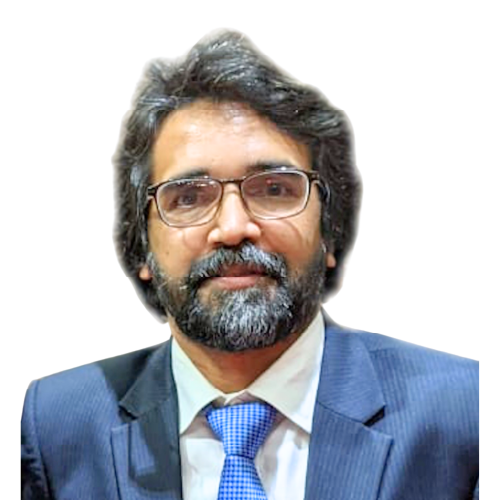
Dr. Md. Shahgahan Miah
PhD in Medical Anthropology
Department of Society and Health,
Mahidol University, Thailand.
Associate Professor,
Department of Anthropology,
Shahjalal University of Science & Technology (SUST)

Muhammad Abdul Baker Chowdhury
Senior Biostatistician
MPH (Biostatistics- USA),
MPS (Demographic Analysis-DU),
MS (Statistics-SUST)
Senior Biostatistician,
Department of Neurosurgery
University of Florida
Gainesville FL USA